Koreatown Real Estate Investment: The LA Submarket Thesis
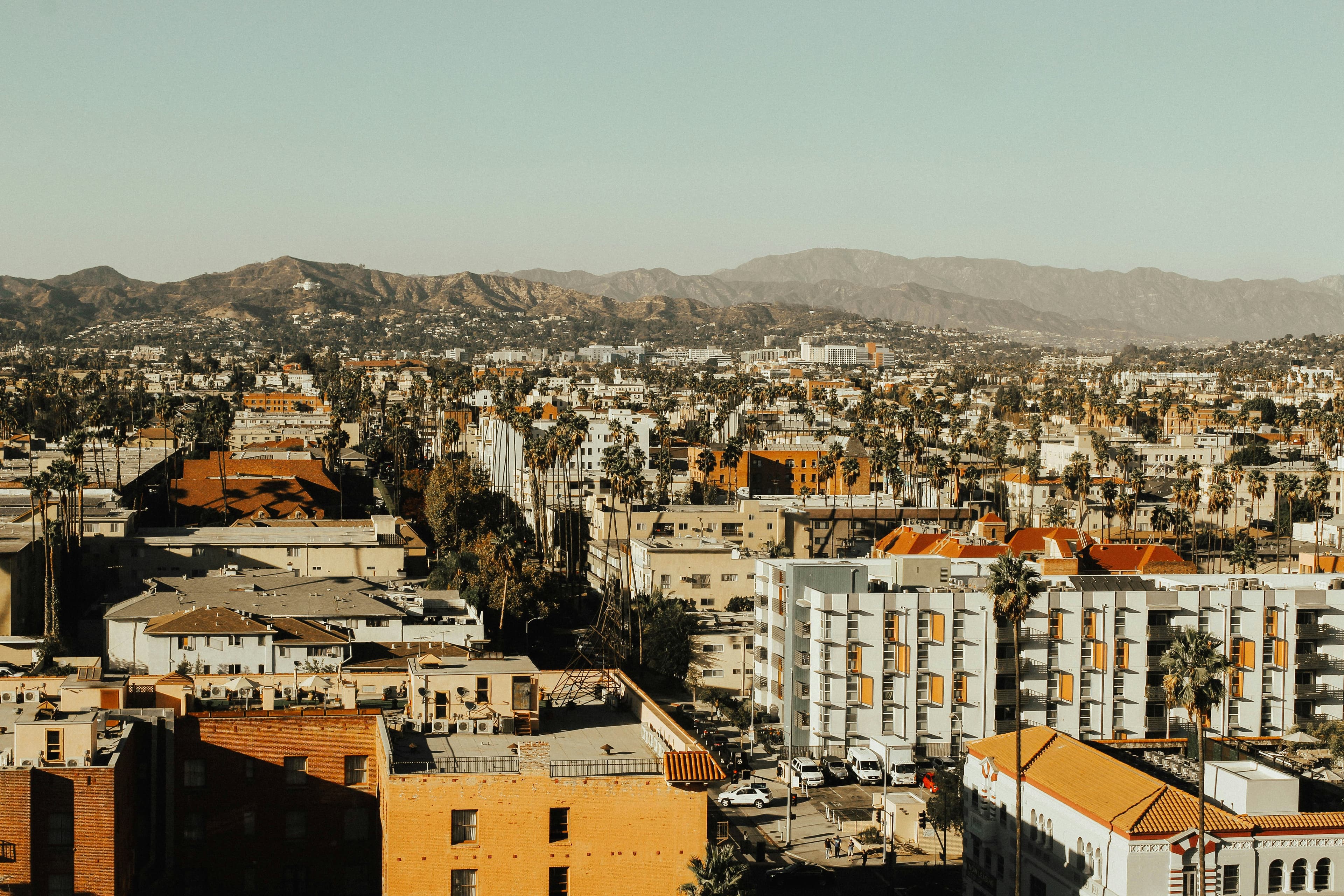
A Koreatown real estate investment deep-dive from a sponsor closing a deal here: density, rents, transit, legislation, and the numbers on a live deal.
I've closed one building in Koreatown and I'm closing another this quarter. Every deal we have underwritten in the neighborhood since 2023 has beat our target return. In January 2026 we went into contract on an 8-unit on a Tier 3 TOC parcel three blocks off Wilshire, and the thesis below is the one we ran against it.
What is the Koreatown real estate investment case? Koreatown is the densest neighborhood in Los Angeles, with population density above 42,000 people per square mile, three Metro B/D Line stations on Wilshire, sub-3% rental vacancy, and deeply commercial zoning that qualifies most parcels for LA's Transit Oriented Communities program, SB 1211 ADU density, and SB 684 small-lot multifamily.
Every one of those levers exists in other LA submarkets. Koreatown is the only one where they all stack on the same parcel.
Why Koreatown real estate investment works right now
The short version is that demand is structurally under-supplied and the legislative tailwinds are hitting density-eligible lots harder here than almost anywhere else in the city. Wilshire Center-Koreatown's median 1BR rent ran $1,925 in Zumper's early-2026 report, and renovated product in the submarket pushes into the $2,100-$2,500 band, per our own leasing on 3340 W 8th. Vacancy sits under 3% - tighter than almost any comparable LA submarket.
The submarket sits on top of three high-capacity transit stops: Wilshire/Vermont, Wilshire/Normandie, and Wilshire/Western, per LA Metro's B/D Line station data. That qualifies most parcels within a half-mile for TOC Tier 2-4 density bonuses under LA City Planning's TOC Incentive Program. Our current 8-unit target sits on a Tier 3 parcel. When we ran our eligibility tool against a sample of Koreatown parcels on the Wilshire corridor, every single one landed at Tier 3.
Two more reasons the math works here: commercial zoning (CR, C2, C4) dominates the Wilshire/Olympic/8th Street corridors, which means by-right multifamily density without the single-family overlays that kill development in most of LA. And SB 1211, effective January 1, 2025, raised the detached-ADU cap on existing multifamily lots from 2 to 8, capped at the primary unit count - so a Koreatown 8-unit is now a 14-to-16-door site plan instead of a 10-door one. See our SB 1211 ADU density guide for the statute-level mechanics and our top LA neighborhoods thesis for how Koreatown compares head-to-head against Highland Park and Silver Lake.
Koreatown by the numbers
Here is the data block we run every Koreatown deal against. Figures are current as of April 2026.
- Population density: 42,600 people per sq mi across the 2.7 sq mi neighborhood footprint - the densest neighborhood in LA County, per Los Angeles Times neighborhood mapping and US Census Bureau ACS 2024 five-year estimates.
- 1BR rent range: $1,925 (submarket median) to $2,500 (renovated product), per Zumper Wilshire Center-Koreatown and our own leasing at 3340 W 8th.
- Vacancy rate: Under 3% on institutional product, tracking tighter than the LA County multifamily average of 5.8%.
- Metro stations within 0.5 mi of the Wilshire corridor: 3 (Wilshire/Vermont, Wilshire/Normandie, Wilshire/Western) on the Metro B/D Line.
- TOC Tier distribution: Our internal eligibility-tool sample of 15 parcels along Wilshire at 4th Avenue all scored Tier 3 (
eligibility-tool/results/koreatown_eligibility.csv), meaning by-right 70% density bonus under the TOC program. - SB 1211 theoretical door uplift on an 8-unit lot: from 10 doors (pre-2025 cap of 8 primary + 2 detached ADUs) to 18 doors (8 primary + 8 detached + 2 interior conversions).
- Median household income, Koreatown PUMA: $51,800, per Census Reporter LA County Central PUMA - below LA median, which is why renter-occupied housing runs 93% of stock.
The deals we have actually done
Honest version, not the pitch deck version.
Koreatown Apartments (closed 2025): 18 units at 3340 W 8th Street, acquired at $6.8M. Repositioned the interiors, rebranded the building, and ran the rent roll up 34% on average across the unit mix. Project delivered 17.1% IRR to LP investors and hit 100% occupancy within 90 days of final delivery. The value-add thesis in Koreatown was: buy old product at sub-market rents, renovate to current comp, refinance. The 34% rent gap is the submarket anomaly - that gap would be 12-18% in Silver Lake and under 10% in the Westside.
Active 8-unit, closing this quarter: Tier 3 TOC parcel three blocks off Wilshire. We are underwriting adding 4-6 detached ADUs plus 2 interior conversions under SB 1211 for a final door count of 14-16 on the lot. In-place rents are roughly 28% under market comps on the existing building; construction cost is bid at $390/sqft all-in. The full investor memo goes out when we close; the Koreatown Apartments portfolio page is the public reference point for how we ran the last one.
The structural reason both deals pencil is the same: dense, under-renovated older product sits on commercial-zoned corridors where state legislation (SB 1211, SB 684, the TOC program) multiplies the door count by-right. Most of LA has the demographic tailwind. Koreatown has the demographic tailwind plus the zoning.
What could go wrong
Four things we underwrite against.
RSO exposure. Most Koreatown pre-1978 buildings fall under LA's Rent Stabilization Ordinance, which caps annual rent increases and imposes just-cause eviction and relocation obligations. Our 34% rent gap on Koreatown Apartments came from unit turnover and vacant-unit repricing, not in-place tenant increases. If the building you are buying is 95% occupied by long-term RSO tenants, the reposition math is materially different.
Construction cost drift. Our GC bids on Koreatown detached ADUs are running $350-$500/sqft all-in as of Q1 2026, per RSMeans Western regional benchmarks and our own bid file. A 550 sqft ADU at $425/sqft is $234K hard, and four of them is a $1M-plus check before permits and soft costs. If your bridge-to-perm capital stack cannot carry construction risk for 18-24 months, the SB 1211 uplift is theoretical, not real.
Transit policy risk. SB 79 takes effect July 1, 2026, and further upzones parcels within 0.5 mi of qualifying transit. That is structurally positive for Koreatown multifamily asset values but also probable that early-2026 pricing is already partly priced in. Underwrite the base case without SB 79 upside; treat the upside as optionality, not a line item.
Local counter friction. LA City has not fully adopted a conforming local ordinance for SB 1211 as of April 2026, per HCD's November 2024 compliance review. State law preempts, but expect friction at the plan-check counter. Budget an extra 60-90 days on the entitlements timeline.
The takeaway
The deals Koreatown meaningfully opens up are the ones where dense, under-renovated multifamily sits on commercial-zoned, TOC-eligible, transit-adjacent parcels - a combination that rarely exists this densely anywhere else in LA. Until the rest of the market catches up to the legislative stacking, the mispricing is the opportunity. Our next acquisition in the neighborhood is already in escrow.
Want to see how this could fit your portfolio?
Request investment info - Get in touch
Frequently asked questions
Is Koreatown a good neighborhood for real estate investment? For value-add multifamily, yes, conditional on operator discipline. The case rests on 42,600 people per sq mi density, sub-3% vacancy, $1,925-$2,500 1BR rents, and commercial zoning that qualifies most parcels for TOC density bonuses and SB 1211 ADU expansion. For ground-up single-family or luxury condo, the thesis is weaker - the submarket rewards density, not premium finish.
What are typical rents in Koreatown? As of early 2026, 1BR units run $1,925 on the submarket median (Zumper Wilshire Center-Koreatown) up to $2,400-$2,500 on renovated product. Studios run $1,500-$1,800; 2BRs run $2,700-$3,200 depending on building age and finish. Renovated newer product in Tier 3-4 TOC projects is pushing toward $3,000 on 1BRs.
Which legislation favors Koreatown multifamily (SB 1211, SB 684, SB 79, TOC)? All four, and they stack. TOC (LA City Planning) grants 50-80% density bonuses on transit-adjacent parcels; most Wilshire-corridor lots score Tier 2-4. SB 1211 raises the by-right detached-ADU cap from 2 to 8 on existing multifamily. SB 684 streamlines small-lot multifamily entitlements statewide. SB 79, effective July 1, 2026, further upzones transit-adjacent parcels. Commercial zoning along Wilshire, Olympic, and 8th Street means these layer cleanly without the single-family overlay conflicts that blunt SB 9 in other LA submarkets.
How has Koreatown rental demand held up post-2020? Vacancy recovered to sub-3% by 2023 and has held since. Renter-occupied housing sits at approximately 93% of stock (US Census ACS). The PUMA median household income of $51,800 keeps the neighborhood firmly class-B/B-minus rental territory - exactly the tenant cohort that drove demand resilience through the 2022-2023 correction. Institutional product is leasing faster than equivalent product in Silver Lake or East Hollywood.
Are there risks specific to investing in Koreatown? Four material ones. RSO tenant protections on pre-1978 buildings limit in-place rent increases - reposition math depends on unit turnover. Construction costs on detached ADUs run $350-$500/sqft, which is real capital that has to clear a refi or sale. Early-2026 acquisition pricing likely already partly discounts the July 2026 SB 79 upzoning, so underwrite without it. And LA City's local SB 1211 ordinance has not fully conformed - plan-check friction is real even when state law preempts.
About the author
Ravi Sharma is the principal of RoAnVi LLC, an LA multifamily syndication firm focused on value-add and ground-up development in Koreatown, Highland Park, Eagle Rock, Silver Lake, and the San Fernando Valley. 3 syndication projects closed, 2 active value-add acquisitions in 2026.
Sources
- US Census Bureau, American Community Survey 2024 5-year estimates - LA County Central PUMA household income, tenure, and occupancy data used for tract-level Koreatown inference.
- LA Metro system map and B/D Line station data - station locations for Wilshire/Vermont, Wilshire/Normandie, Wilshire/Western used for 0.5 mi transit-proximity scoring.
- LA City Planning Transit Oriented Communities Incentive Program - official tier guidelines, eligibility rules, and density bonus schedules.
- Zumper Wilshire Center-Koreatown rent research - early-2026 submarket median rent by unit type.
- LA Times Mapping LA - Koreatown - boundary definition, population, and density reference.
- Census Reporter - LA County Central / Koreatown PUMA profile - demographic and income detail at the PUMA level.
- HCD review of LA ADU ordinance compliance, November 2024 - SB 1211 preemption and LA local ordinance gaps.
Interested in investing?
Request access to our investor network for deal notifications and market updates.
Request Investment Info